

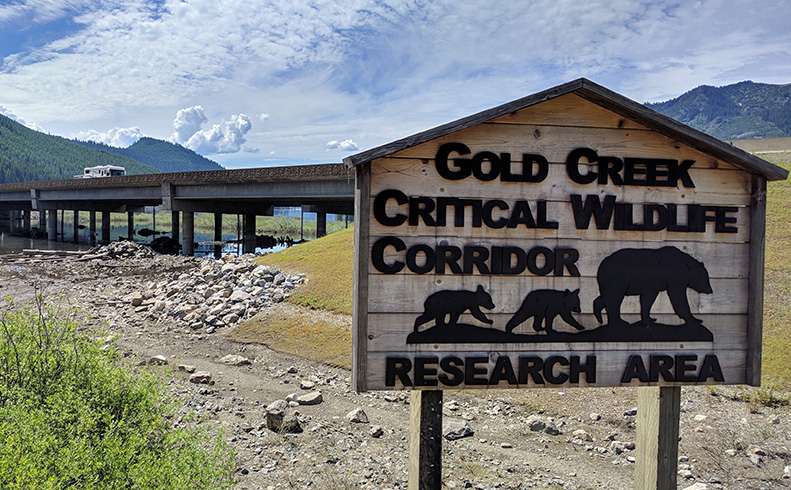
Wildlife on the Move: Habitat Connectivity and Washington’s Highways - Online
Event Details
- When
- Feb 03, 2027 from 07:00 PM to 08:30 PM
- Where
- Instructor
- Glen Kalisz, Marisa Pushee
- Class Tuition
- Add it to your calendar
-
vCal
iCal
What happens when a highway cuts through wildlife habitat? Roads connect people and communities, but for animals moving across the landscape, they can become significant barriers—fragmenting habitat, disrupting migration and movement, and increasing the risk of wildlife-vehicle collisions.
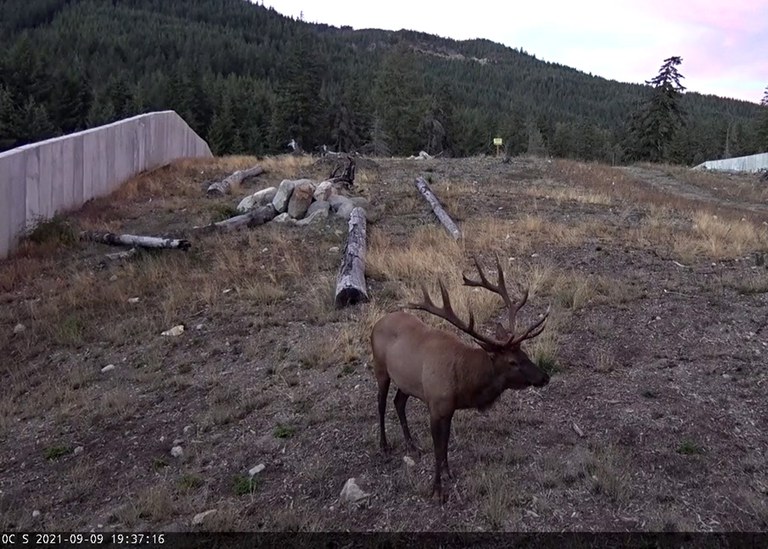
Photo courtesy of WSDOT
We’ll look at successful examples, including wildlife crossings associated with the I-90 Snoqualmie Pass East project, and then turn our attention to emerging work closer to home along State Route 20 in the North Cascades.
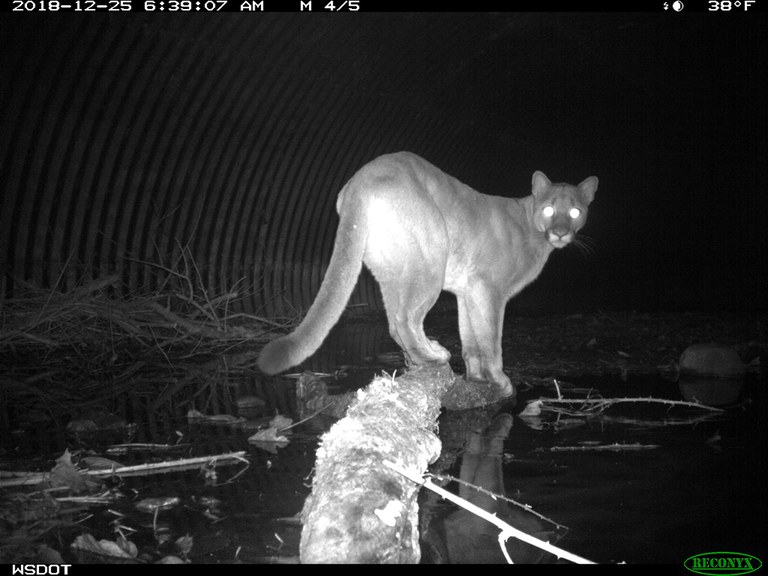
Photo courtesy of WSDOT
Here, a highway passes through sensitive mountain habitat used by a wide variety of wildlife. Motion-activated cameras are helping researchers document which species are moving near and across the highway, identify potential barriers and collision areas, and establish baseline data that can inform future highway improvements and possible wildlife crossings.
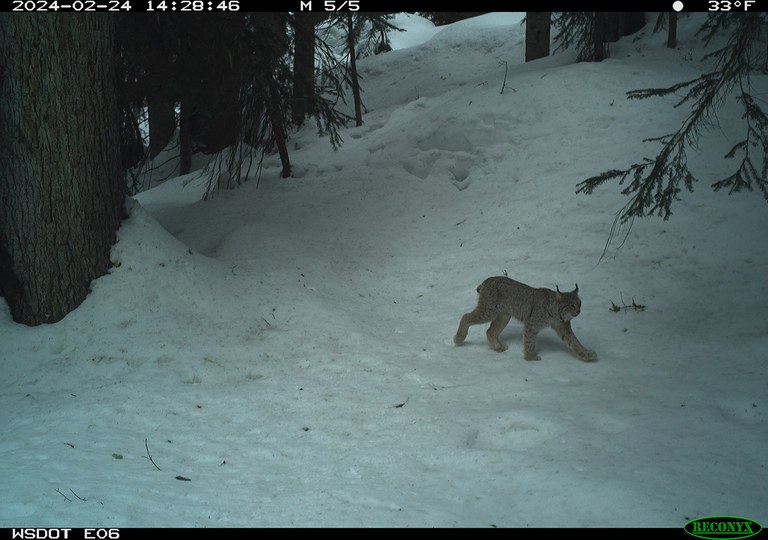
Photo courtesy of WSDOT
We welcome WSDOT habitat connectivity experts Glen and Marisa for a fascinating look at this growing area of wildlife conservation. As WSDOT’s Habitat Connectivity Biologist, Glen works to identify priority areas for wildlife crossings, monitor wildlife movement, and integrate habitat connectivity into transportation planning. Assistant Habitat Connectivity Biologist Marisa supports efforts to reduce wildlife-vehicle collisions and improve safe passage for animals, while helping coordinate collaboration through the Washington Wildlife Habitat Connectivity Working Group. Together, they’ll offer an inside look at how science, conservation, and transportation planning are coming together to create a more connected landscape for Washington’s wildlife.
Come learn how wildlife research, conservation, and transportation planning intersect—and how something as familiar as a highway can be reconsidered as part of a more connected landscape.
Top photo by Glen Kalisz