

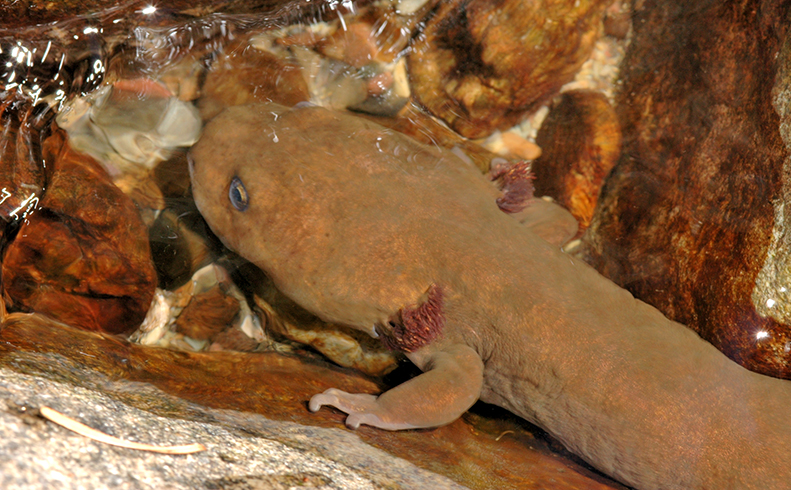
Frogs and Salamanders of the Puget Trough - Online
Event Details
- When
- Jun 03, 2026 from 06:00 PM to 07:45 PM
- Where
- Instructor
- Stephen Nyman
- Class Tuition
- Add it to your calendar
-
vCal
iCal
This online class is a stand-alone 1.5 hour learning experience - another option is to register for "Amphibians of PNW Ponds and Wetlands" and you'll receive this online class plus a day-long field excursion on June 20 with the instructors in the Nooksack and Samish river valleys!
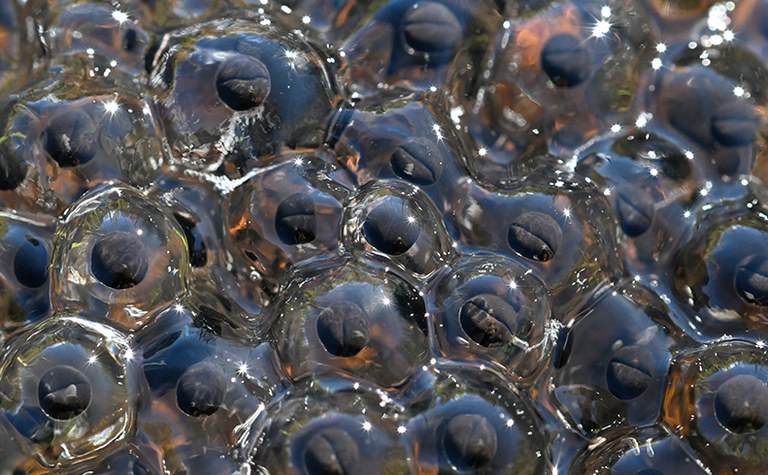
Egg mass of a pond breeding species; photo by Stephen Nyman
Frogs and salamanders are the most widespread types of modern amphibians, members of ancient lineages but vital parts of today’s and—we hope—tomorrow’s world. Although mostly small and inconspicuous, amphibians are integral components of complex ecosystems and the exuberant voices of frogs are cherished and culturally important harbingers of spring. Frogs and salamanders straddle the line between the fully aquatic and the fully terrestrial, with some species existing entirely on one side or the other, illustrating varied and remarkable evolutionary strategies for life in and out of the water.
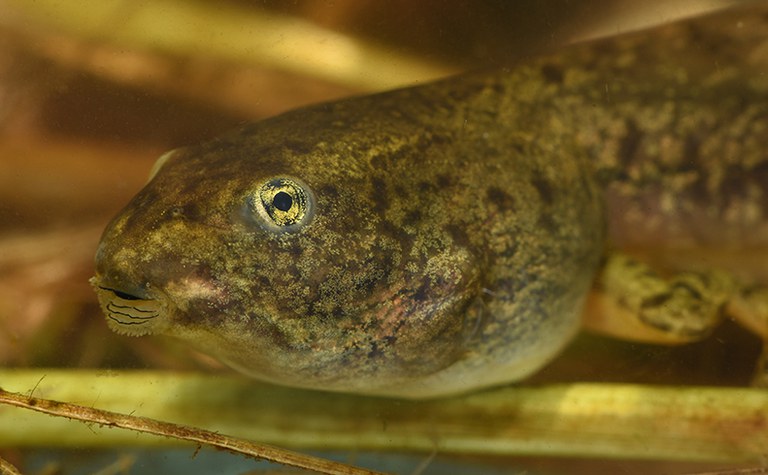
Oregon Spotted Frog larva; photo by Stephen Nyman
The lowlands of the Puget Trough are home to just eleven native species of amphibians and four introduced species. Despite the modest number, this is a fascinating and diverse assemblage, with representatives of each of the major taxonomic families of frogs and salamanders in North America and two unique families found nowhere else but the Pacific Northwest.
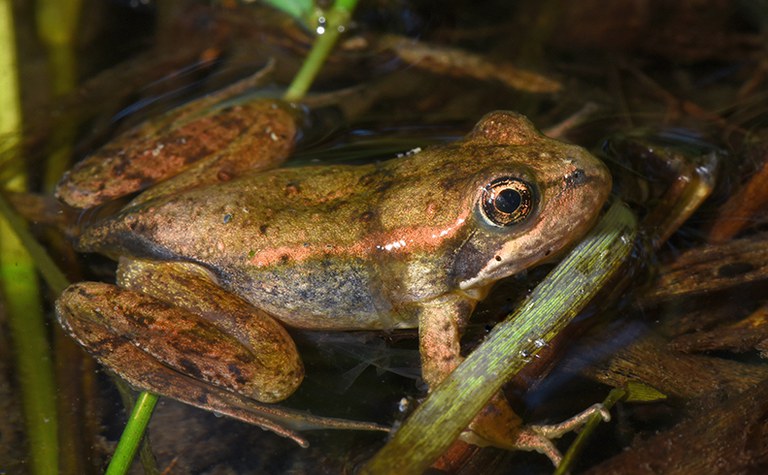
Northern Red-legged Frog; photo by Stephen Nyman
They include a frog with a “tail,” giant salamanders that are top-predators in headwater streams, and a frog so at risk that it has been listed as Threatened under the US Endangered Species Act. Come with Whatcom County Amphibian Monitoring Program biologist Stephen Nyman as together we explore the hidden world of amphibians within the region’s wetlands, ponds, streams, and forests.
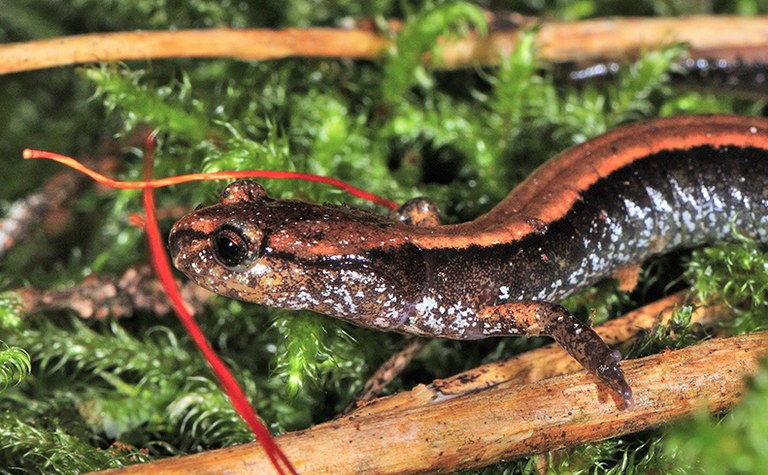
Western Red-backed Salamander; photo by Stephen Nyman
This online class, through colorful and revealing close up photos and videos, will introduce you to all the species of frogs and salamanders found in our area, native or introduced, describe where and how they live, and the adaptations that contribute to their success (and their vulnerability in a changing world). Class enrollment will also include access to the instructors e-book Amphibians of Whatcom County, Washington.
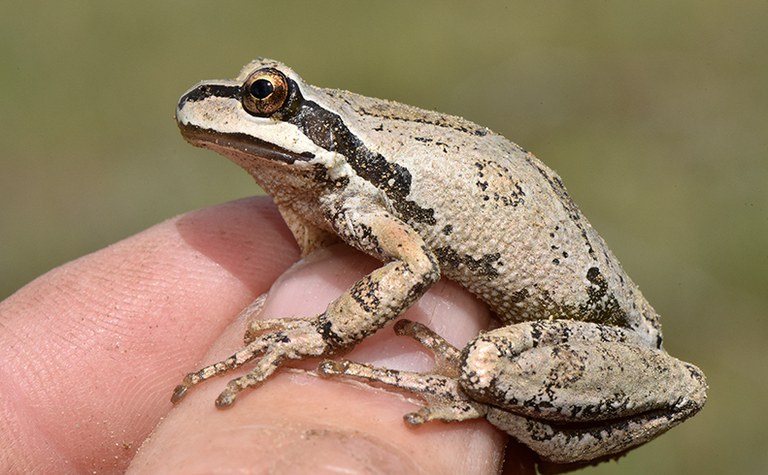
Pacific Chorus Frog; photo by Stephen Nyman
Designed for curious learners, educators, and aspiring naturalists, this class offers a deeper appreciation of the amphibians living quietly alongside us—and the landscapes they depend on.
Top photo: Coastal Giant Salamander; photo by Stephen Nyman