

NOCA Glaciers: Four Decades of Monitoring Using Art and Science - Online
Event Details
- When
- Sep 09, 2026 from 06:00 PM to 07:15 PM
- Where
- Instructor
- Jill Pelto, Mauri Pelto
- Class Tuition
- Add it to your calendar
-
vCal
iCal
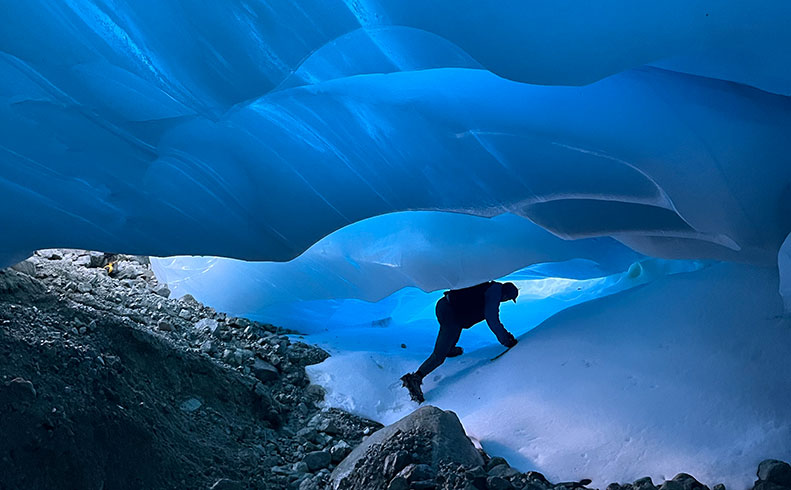
High in the North Cascades, glaciers quietly record the story of a changing climate.
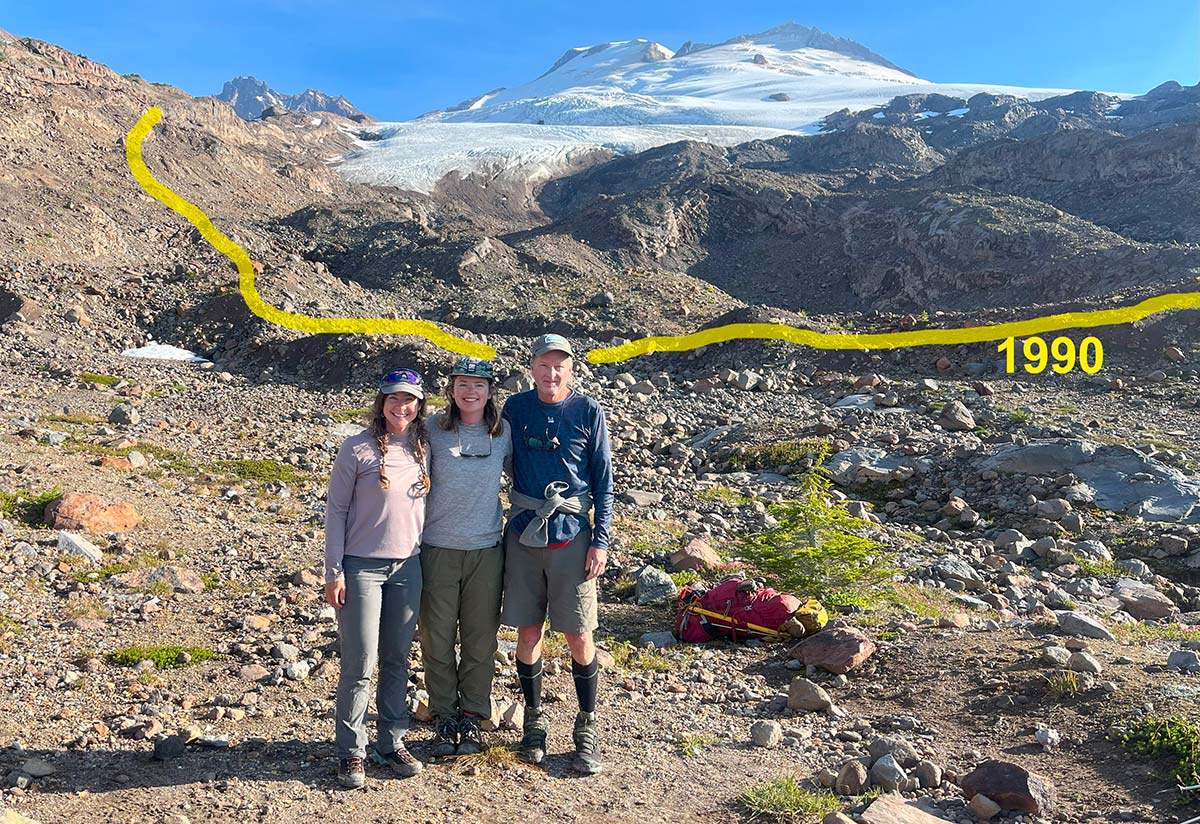
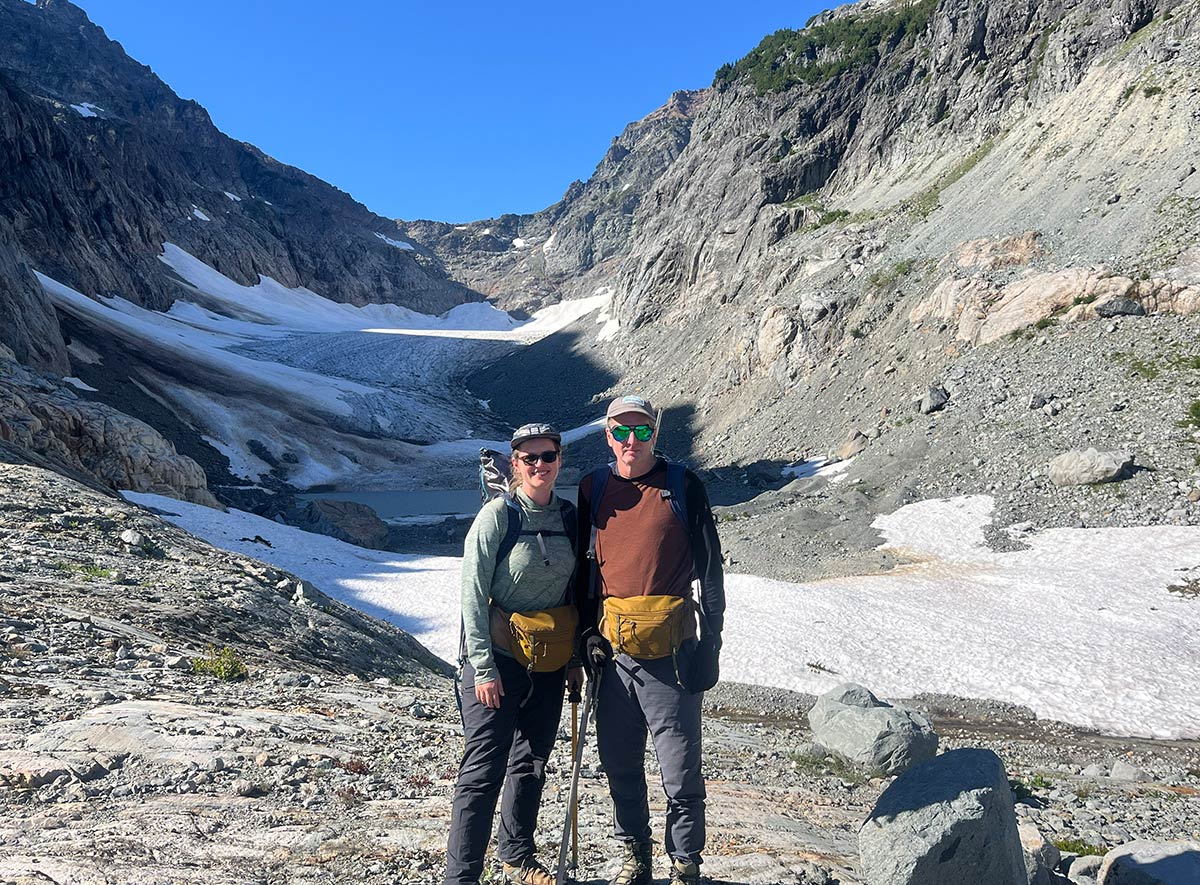
Since 1984, the North Cascade Glacier Climate Project has been monitoring glaciers across the region to understand how they are responding to warming temperatures and how those changes ripple through alpine rivers and ecosystems. For more than four decades, scientist Mauri Pelto and his daughter artist Jill Pelto have returned to these remote landscapes year after year—documenting change with careful observation, persistence, and a deep commitment to place.
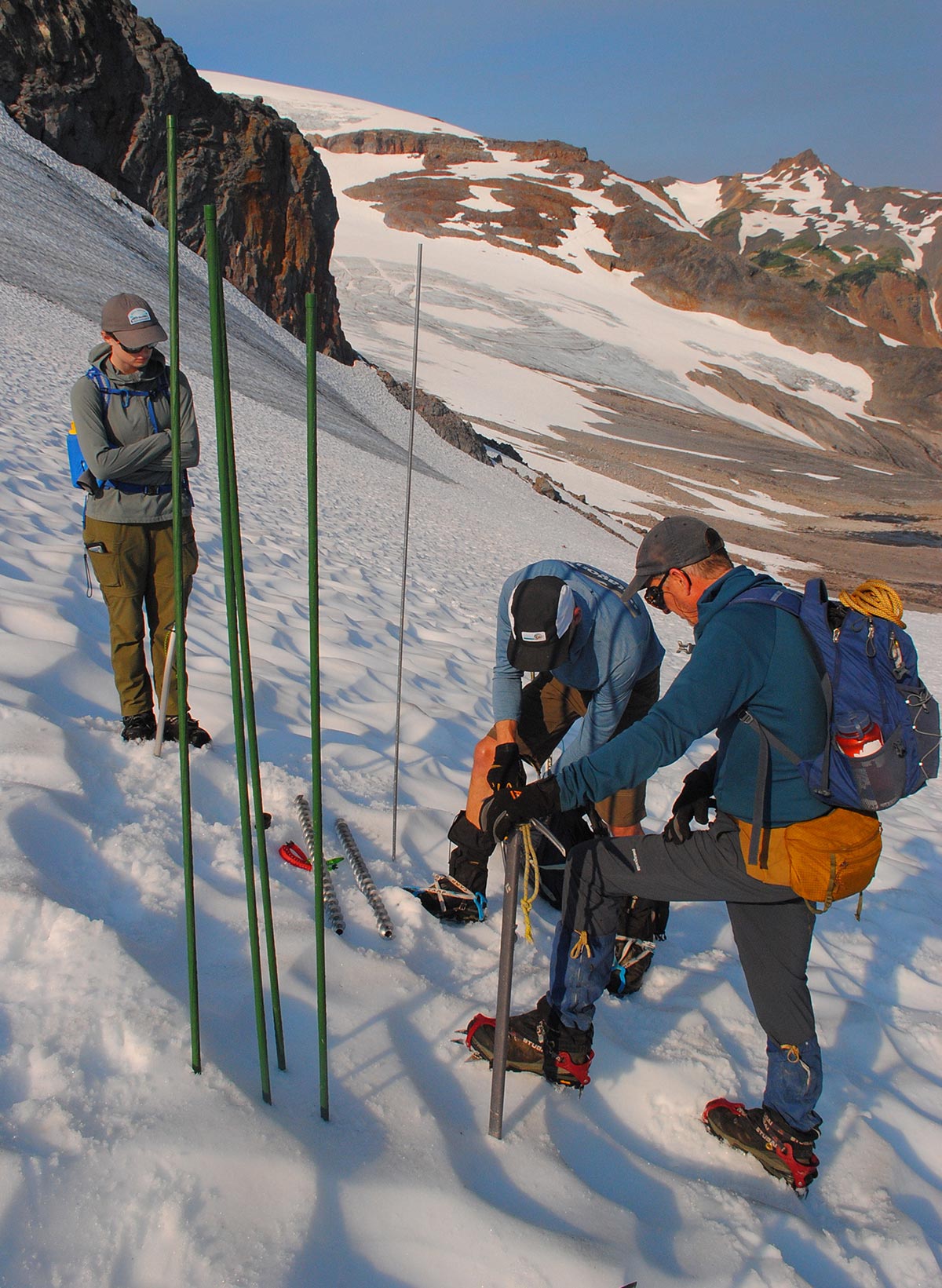
In this online program, Mauri and Jill will share what they’ve learned from 43 consecutive years in the field. Through photographs, data, and firsthand stories, you’ll gain insight into how glaciers are changing, what those changes mean for the broader environment, and how this long-term work is carried out. Their approach is uniquely hands-on: each season, they access glaciers by backpack—without permanent camps, heavy equipment, or helicopter support—relying instead on skill, experience, and close observation.
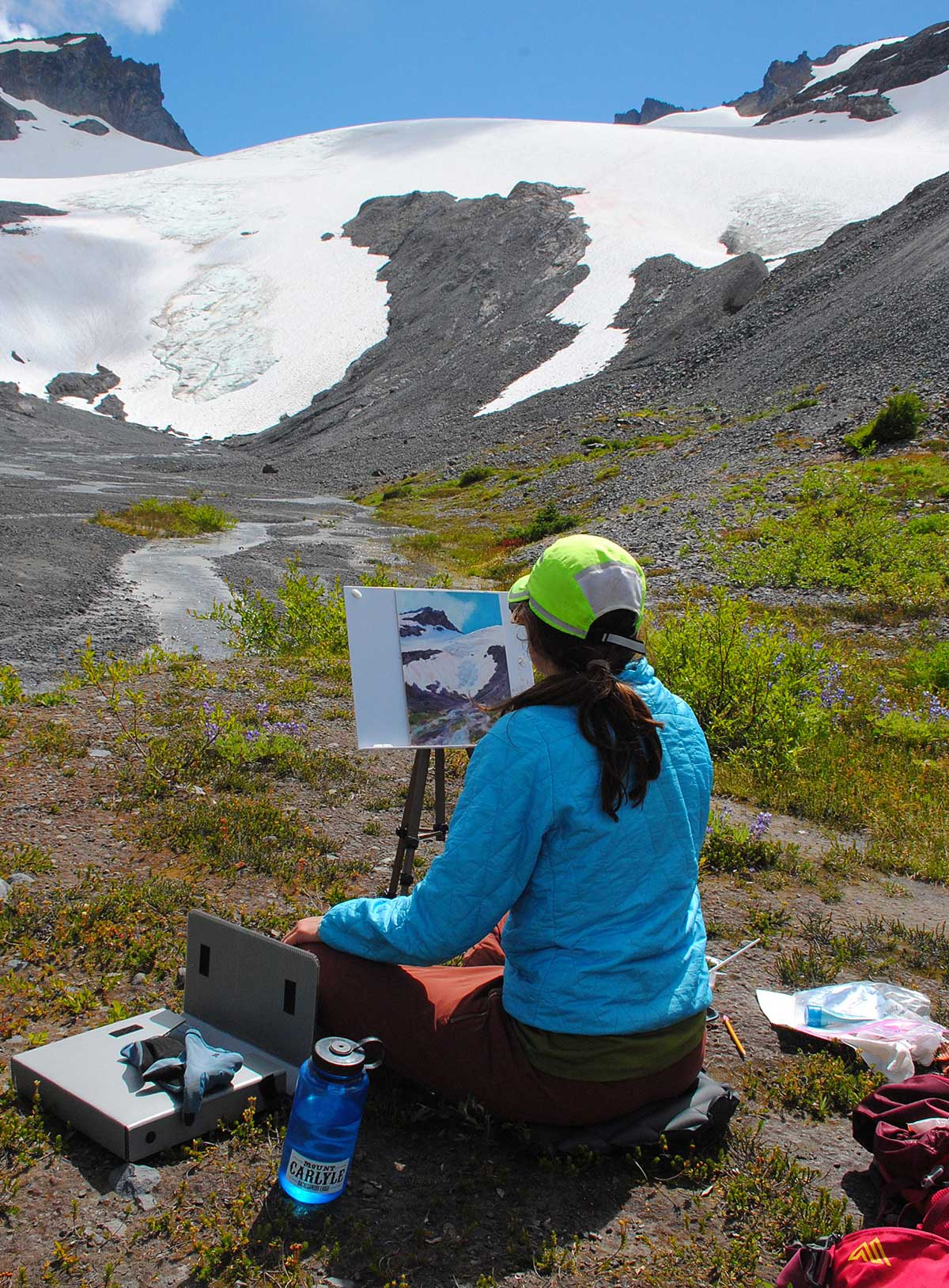
Together, they bring both scientific and creative perspectives to their work, offering a fuller picture of how we understand and communicate environmental change.
Participants will also be invited into the conversation—sharing observations, asking questions, and exploring how we can all play a role in noticing and documenting change in the landscapes around us.
Whether you’re interested in climate science, glaciers, or the power of long-term observation, this program offers a rare window into one of the most enduring research efforts in the North Cascades.
If you can't make the specific date or time of a class you want to take, you can still register and we will send you a link to view the program on your own time! All registrants will have access to the class recording for a limited time to re-watch too.